Science News
 American
Science News for 28 July 2021
American
Science News for 28 July 2021
Novel method for fast 3D microscopy
Phys.org - 28 Jul 2021 16:19 In the past, many discoveries have been made because better, more accurate measurement methods have become available, making it possible to obtain data from previously unexplored phenomena. For example, high-resolution m...
Machine-learning method to find optimal solutions in extremely large design spaces
Phys.org - 28 Jul 2021 16:22 Electrical engineers at Duke University have devised a new method for solving difficult design problems with many potential solutions in a large design space using machine learning. Dubbed the "neural-adjoint method," th...
How to Make Up Your Mind When the Glass Seems Half Empty?
Neuroscience News - 28 Jul 2021 23:47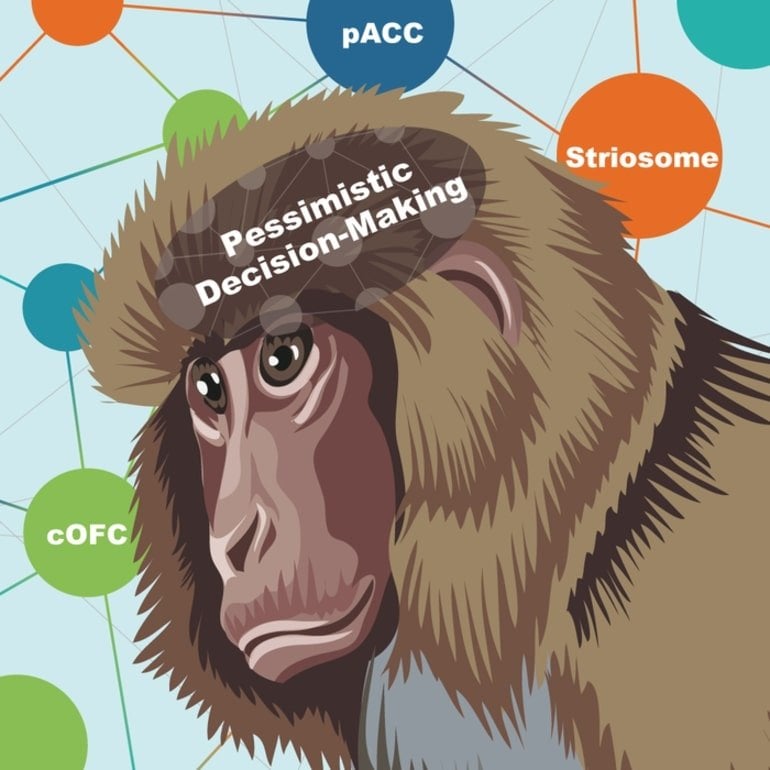 A new study reveals how anxiety affects the decision-making process in the brain, resulting in selecting more pessimistic choices.
Discovery Points to Ketamine's Long-Term Antidepressant Effects
Neuroscience News - 28 Jul 2021 22:22 The MeCP2 gene influences ketamine's behavioral effect and strengthens synapses, leading to an improvement in the drug's antidepressant effect over time.
What are asteroids?
Live Science - 28 Jul 2021 22:15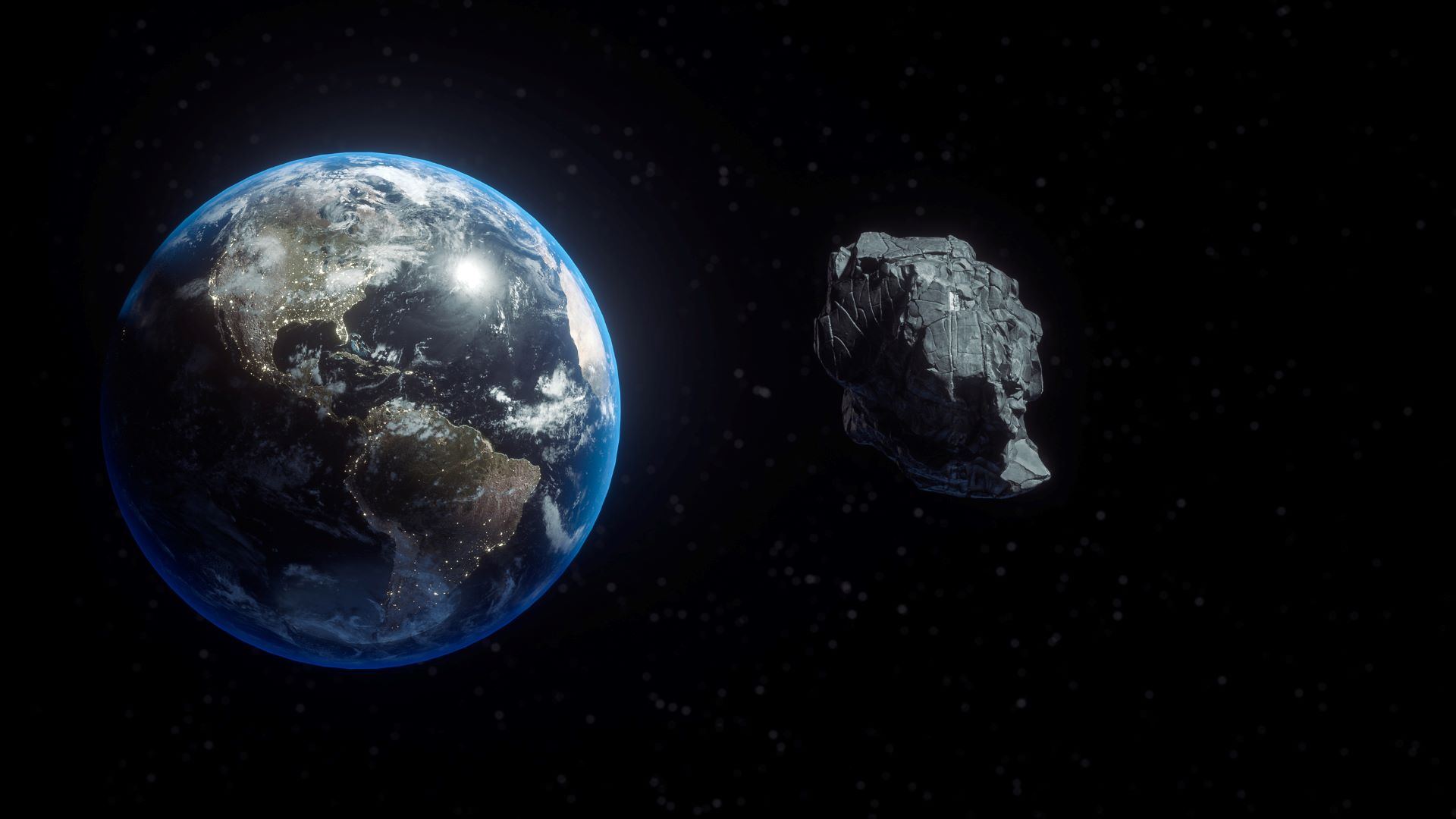 Information about asteroids, where they come from and whether one might hit Earth.
Berkeley Lab's CAMERA leads international effort on autonomous scientific discoveries
Phys.org - 28 Jul 2021 22:14 Experimental facilities around the globe are facing a challenge: their instruments are becoming increasingly powerful, leading to a steady increase in the volume and complexity of the scientific data they collect. At the...
Fruit Compound May Have Potential to Prevent and Treat Parkinson's Disease
Neuroscience News - 28 Jul 2021 21:56 Farnesol, a naturally occurring compound found in berries and other fruits, prevents the loss of dopamine-producing neurons and reverses Parkinson's associated damage to the brain in mouse models.
Non-linear effects in coupled optical microcavities
Phys.org - 28 Jul 2021 21:56 Scientists from the Faculty of Physics of the University of Warsaw have demonstrated exciton-polariton lasing and parametric scattering of exciton-polaritons in a system of coupled optical microcavities. The results have...
Scientists advance breast, ovarian cancer research with cryo-electron microscopy
Science Daily - 28 Jul 2021 21:44
Using advanced imaging technology, scientists have provided an unprecedented understanding of the BRCA1-BARD1 protein complex, which is often mutated in patients with breast or ovarian cancer. Their paper identifies aspe...
Seeking a unique treatment for lobular breast cancer
Science Daily - 28 Jul 2021 21:03
In an attempt to find out why the long-term outcomes are poorer for patients with lobular breast cancer -- which affects some 40,000 women a year -- researchers began looking at the role of the protein MDC1 in tumor cell...
Iceland may be the tip of a sunken continent
Live Science - 28 Jul 2021 20:33 Iceland may be the last exposed remnant of a nearly Texas-size continent -- called Icelandia -- that sank beneath the North Atlantic Ocean about 10 million years ago
Dropping Giant Rolls of Film From Satellites to Spy from Space
Physics Buzz - 28 Jul 2021 20:27
By Allison Kubo More cold war science in case you enjoyed our last cold war science article: the atomic-powered-nuclear-weapon-silo-ice-sculpture. In 1958, the Central Intelligence Agency started project Corona, a top-se...
First 3-D view of TB granulomas alters paradigm of their shape and formation
Science Daily - 28 Jul 2021 20:03
MicroCT of infected human lung tissue, along with histology and immunohistochemistry, was used to construct images of TB granulomas, airways and vasculature.
Why invertebrates should be included in animal welfare protections
New Scientist - 28 Jul 2021 20:00
A new animal welfare law in the UK is a step in the right direction, but it should include invertebrates too, say Alexandra Schnell and Nicola Clayton
Thin-air therapy: The unexpected medical benefits of hypoxia
New Scientist - 28 Jul 2021 20:00
Our organs and cells die without enough oxygen, but in some instances, hypoxia may actually hasten the healing process - and even help people to lose weight
There's room for a green middle ground in the UK's culture wars
New Scientist - 28 Jul 2021 20:00
The culture wars in the UK are heating up, but as most people haven't yet picked a side, there's still room to find common understanding, writes Graham Lawton
The strange case of an octopus with 36 arms
New Scientist - 28 Jul 2021 20:00
An octopus with many arms, plus a strange sign in New South Wales and an ear tag that's the lightest thing since sliced bread, in Feedback's weird weekly round-up
Striking image of covid-19 clean-up is among photo contest finalists
New Scientist - 28 Jul 2021 20:00
The Time of Coronavirus by Aly Song, captures the awful drama of the pandemic, showing volunteers disinfecting Qintai Grand Theatre in Wuhan, China. The image is one of the finalists in this year's Wellcome Photography C...
Don't Miss: A Trillion Trees, a book to help us save the planet
New Scientist - 28 Jul 2021 20:00
New Scientist's weekly round-up of the best books, films, TV series, games and more that you shouldn't miss
12 Bytes review: Jeanette Winterson on AI and making life less binary
New Scientist - 28 Jul 2021 20:00
Jeanette Winterson's latest non-fiction book is a smart take on AI, intelligence and our binary world. Her thought-provoking essays offer a refreshingly optimistic take on AI's future
Why self-driving cars could be going the way of the jetpack
New Scientist - 28 Jul 2021 20:00
Driverless cars were supposed to be relieving us of the stresses of driving by now - but safety issues and technological shortcomings are keeping the brakes firmly on
Horny sponges that lived nearly 1 billion years ago may be the earliest animals on Earth
Live Science - 28 Jul 2021 19:31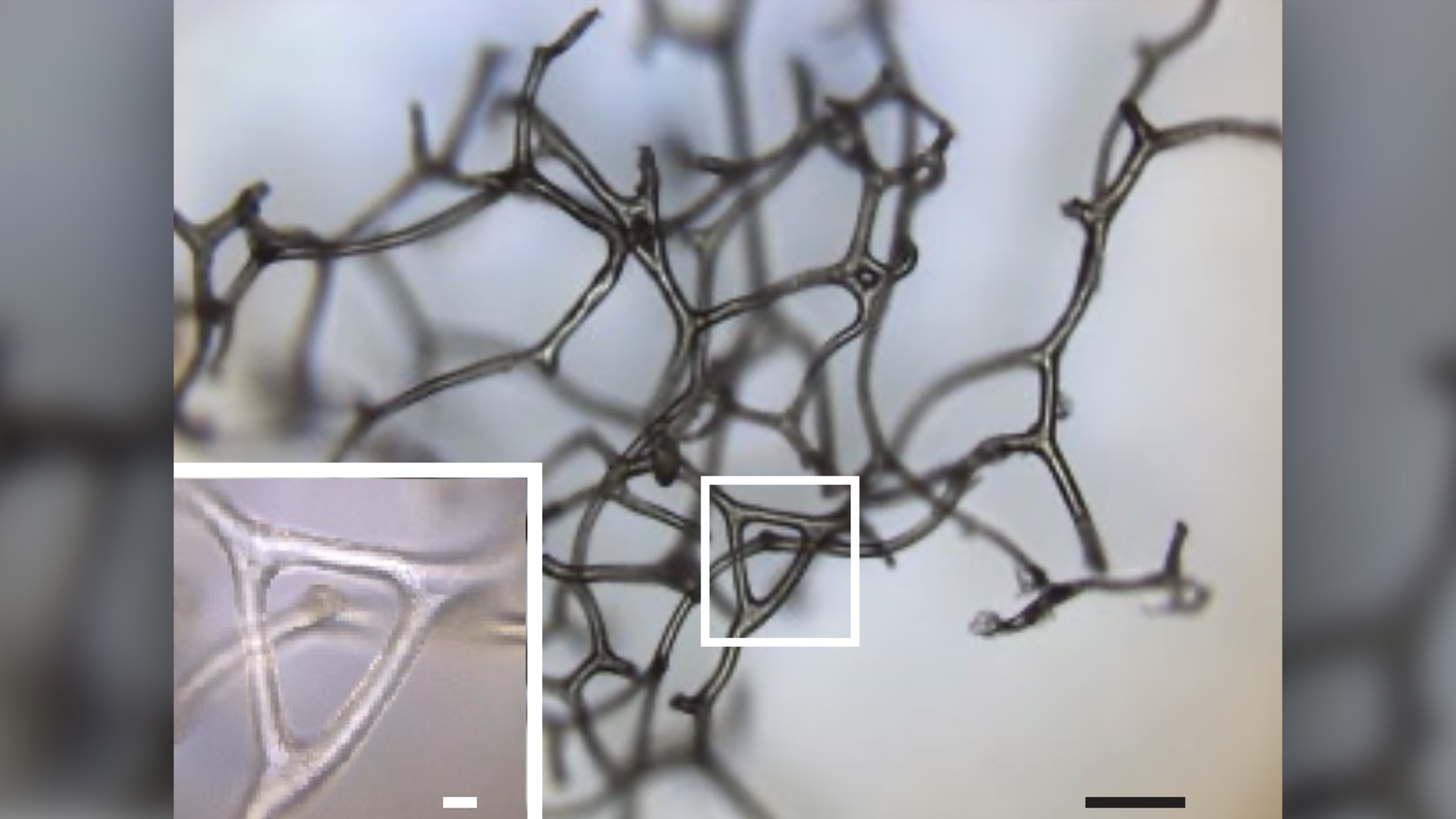 Fossils from northwestern Canada may represent ancient sponges dating to 890 million years ago, making them the oldest known examples of animal life.
 Global
 Great Britain
 Indian
 South Africa